
Radon Science Glossary for Treasure Valley Homes
Radon science glossary covering essential testing and mitigation terms for Boise and Treasure Valley homeowners.
Key Radon Terms Explained for Idaho Homeowners
Need a property-specific answer?
We can inspect the issue on-site, document what is actually happening, and tell you whether it needs drainage work, waterproofing, structural repair, or simple monitoring.
- Treasure Valley soil and moisture context
- Photo-documented findings and next steps
- No-pressure recommendations built for your property
Radon decisions often feel more technical than they need to be. Reports include scientific units, mitigation proposals reference pressure fields and suction points, and homeowners are expected to make an important health decision quickly. This glossary is designed to slow that down and make the language practical for Treasure Valley homeowners.
Why radon vocabulary matters in the Treasure Valley
Radon is a technical topic, but the homeowner decision is simple: understand the measured risk, understand whether the test was done correctly, and understand how the mitigation system would reduce that risk. The difficulty is that the documents used in testing and mitigation are full of terms that sound specialized. When people do not understand the words, they often compare bids only by price or react only to the number on the report without understanding how reliable that number is.
That matters in Idaho because radon behavior can vary by home type, foundation type, season, and soil-gas movement. A number on one report is important, but it does not tell the full story by itself. Good terminology helps homeowners recognize whether they are looking at a valid screening result, a true long-term risk picture, or a mitigation plan that is designed correctly for the building.
This glossary therefore focuses on the terms most likely to appear during home purchases, post-inspection decisions, mitigation proposals, and follow-up verification. It is written for homeowners, not for lab technicians.
Measurement and testing terms
pCi/L, or picocuries per liter, is the standard unit used to describe radon concentration in air. Homeowners do not need to memorize the physics behind the unit. What matters is that it is the measurement used to compare your indoor air to the EPA action level. Action level refers to the EPA recommendation to take corrective action when radon is measured at 4.0 pCi/L or higher. Many homeowners choose to mitigate below that level as well, especially if the reading is close or if vulnerable occupants will spend a lot of time in the space.
Short-term test usually refers to a screening test conducted over a shorter period under controlled conditions. It is useful during real-estate transactions and initial evaluations. Long-term test collects data over a longer period and gives a better picture of seasonal variability. That matters because radon levels can shift with weather, HVAC operation, and how the home is used. A single number is useful, but the type of test behind that number is part of understanding the risk properly.
Continuous radon monitor describes an electronic device that records radon readings over time and often helps identify unusual fluctuations or testing anomalies. Closed-house conditions refers to the testing protocol that keeps windows closed and exterior air exchange limited before and during certain tests so the results reflect controlled indoor conditions. Without that context, homeowners can misread either an artificially low or artificially high test result.
Building-science terms behind radon entry
Soil gas is the air and gas mixture moving through the soil beneath and around a home. Radon is transported in that soil gas, which is why sub-slab and crawl-space conditions matter. Pressure differential describes the pressure relationship between the house and the soil beneath it. Homes often operate at a slightly lower pressure than the soil below, which can encourage radon entry through cracks, slab penetrations, and other openings.
Stack effect is the natural movement of air through a building as warm air rises and exits at upper levels, pulling replacement air from lower parts of the structure. That process can help draw soil gas, including radon, into basements and lower levels. Entry pathways are the specific openings where radon enters, such as slab cracks, control joints, utility penetrations, sump lids, crawl-space connections, and gaps around the perimeter of the slab.
These terms matter because many homeowners assume radon is a random indoor air issue. It is not. It is a pressure-and-pathway issue. The mitigation system works by changing those pressure relationships and controlling how soil gas moves relative to the house.
Mitigation system terms homeowners should know
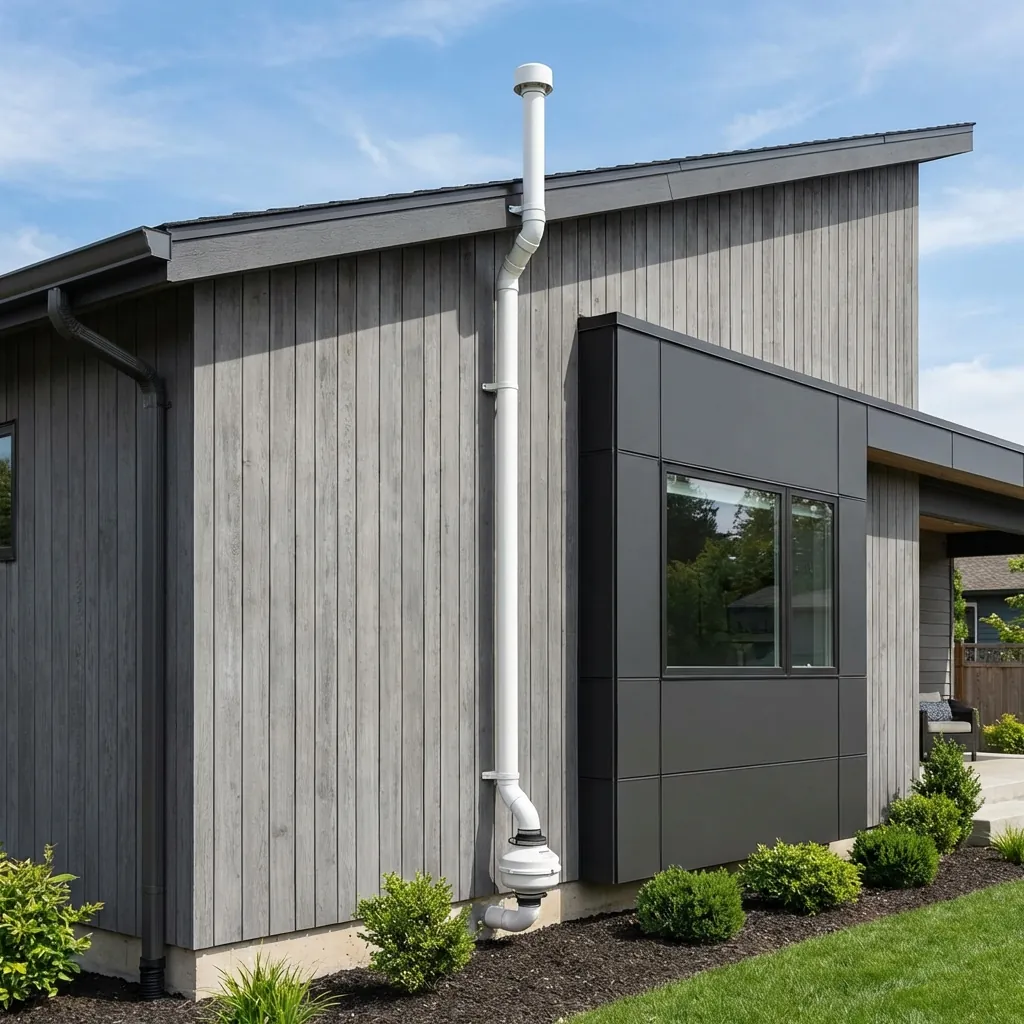
Sub-slab depressurization is the most common mitigation strategy for homes with slabs or basements. It uses a fan and pipe system to create lower pressure beneath the slab than inside the home, which keeps radon-containing soil gas from entering occupied space. Suction point is the location where the system draws air from beneath the slab. The effectiveness of that point depends on slab conditions, soil communication, and system design.
Vent stack or fan stack refers to the piping route that carries radon gas from below the structure to a discharge point above the roofline or another approved area away from occupancy. Radon fan is the powered component that keeps the pressure field active. Manometer is the simple visual gauge often mounted on the system to show that a pressure difference exists and the fan is operating as intended.
Sealed sump means a sump pit that has been closed in a way that still allows drainage function but reduces radon entry and improves pressure control. Post-mitigation verification refers to follow-up testing after installation to confirm that the system is actually reducing indoor radon. Homeowners looking at pages like sub-slab depressurization, radon levels in Treasure Valley, or radon health risks in Idaho will see these terms frequently because they are central to how modern mitigation works.
How to read a radon report or proposal more intelligently
When homeowners receive a radon report, the number matters, but the conditions around the number matter too. Ask what kind of test was used, how long it ran, whether closed-house conditions were maintained, and what level of the home was tested. A reading from a lowest livable level has a different decision value than a reading taken in a less relevant part of the building. The best interpretation combines the number, the method, and the context of the home.
The same is true for proposals. A strong mitigation proposal should describe the intended system type, discharge path, fan placement, sealing measures, and post-install verification. If it uses terms like suction point or pressure field without explaining how those relate to your specific house, you are justified in asking for clarification. Technical language should support understanding, not replace it.
Homeowners should also understand that radon mitigation is a performance question, not just an installation question. The purpose of the system is to create a measurable reduction in radon, and the vocabulary around the proposal should point back to that measurable goal.
Why the local context still matters
Treasure Valley homes vary widely in age, slab condition, basement presence, crawl-space configuration, and how tightly they are sealed. Those variables affect radon entry and mitigation strategy. A homeowner in Boise with a basement and multiple slab penetrations may need a different approach than a homeowner in Meridian with a crawl-space interface and different pressure relationships. The vocabulary is the same, but the applied design may differ.
That is why local interpretation matters alongside national standards. The EPA radon program, EPA radon zone guidance, and the Idaho DEQ radon program provide important reference information, but a site-specific diagnosis is still what turns that information into a useful decision for your property.
When Idaho homeowners understand the terminology, they can move through the process with less stress. They can compare tests correctly, evaluate mitigation scopes more confidently, and know what success should look like after installation.
Questions homeowners should ask when radon language gets technical
If a report or proposal feels difficult to understand, homeowners should ask a few grounding questions. What was measured, under what conditions, and on which level of the house? What system type is being recommended and why does it fit this particular structure? How will the installer verify that the mitigation system is actually reducing radon after installation? Those questions cut through jargon quickly and bring the conversation back to meaningful performance.
This is especially helpful during real-estate transactions, when families may feel pressure to make a fast decision. Clear language keeps the process rational. Instead of reacting only to an unfamiliar acronym or a concerning number, the homeowner can understand how the measurement was obtained, how the house is behaving, and what the proposed correction is designed to accomplish over the long term.
That is the real purpose of a glossary like this. It is not just to define words. It is to give homeowners enough confidence to evaluate risk, compare recommendations, and move forward with a mitigation decision based on understanding rather than confusion.
How a homeowner can read a mitigation proposal without being a specialist
A strong radon proposal should describe the home type, the expected system path, where suction will be created, how the discharge will be routed, and how the final result will be verified. If the document lists technical components without linking them to the building itself, homeowners should ask for that explanation in plain language. A good contractor can explain why a fan location matters, why a slab penetration is chosen, and how pressure control will reduce radon entry into that specific house.
Homeowners should also compare proposals by clarity, not only by price. One estimate may look simpler because it leaves out detail, while another may look more expensive because it actually explains the system more completely. When the vocabulary is understood, those differences become easier to see. That is especially valuable in Boise-area real-estate transactions, where families are often trying to make a health-related decision under time pressure.
The better the homeowner understands the language of testing and mitigation, the less likely they are to be overwhelmed by the process. That understanding creates better decisions at every stage, from initial test interpretation to post-install verification.
It also makes post-install follow-through more meaningful. Homeowners who understand what was promised in the proposal can verify whether the installed system, the manometer reading, and the post-mitigation test all line up with the original design intent. In other words, clear vocabulary improves not just buying decisions but accountability after the work is complete.
That accountability matters because radon mitigation is judged by performance, not by how technical the proposal sounds. Homeowners who understand the language are better equipped to confirm that the finished system is doing what it was intended to do.
That confidence is valuable well beyond a single transaction. It helps families maintain the system correctly, understand follow-up testing, and avoid treating radon mitigation like a mystery box they are simply expected to trust forever.
Why plain language lowers stress during a health decision
Radon discussions often happen when homeowners are already under pressure, such as during a purchase, after an inspection, or while trying to decide whether to invest in mitigation. Technical language can make that stress worse if it is not translated clearly. A homeowner who understands the words on the page is much more likely to feel in control of the decision and much less likely to delay needed action simply because the process feels opaque.
That reduction in stress is not a soft benefit. It is a practical one. People make better decisions when they understand what is being measured, what is being installed, and how success will be confirmed afterward.
For Treasure Valley homeowners, that confidence can be just as important as the number on the test report itself.
Clear terms give families a steadier way to move from concern to action.
That steadier process usually leads to faster, more confident mitigation decisions and better follow-through after installation.
It also helps families ask better questions when the stakes feel high.
Clear language improves confidence, timing, and long-term follow-through.
It also makes action easier to sustain.
Need Help Interpreting Your Radon Report?
We’ll review your measurements, explain your options, and provide a clear mitigation plan if needed.
Common Failure Signs in Treasure Valley
Water Intrusion
Moisture seeping through walls, floors, or foundation during rain or irrigation season.
Structural Warning Signs
Cracks in walls, sticking doors, or uneven floors indicating foundation movement.
Ongoing Maintenance Issues
Recurring problems that never seem to go away despite multiple repair attempts.
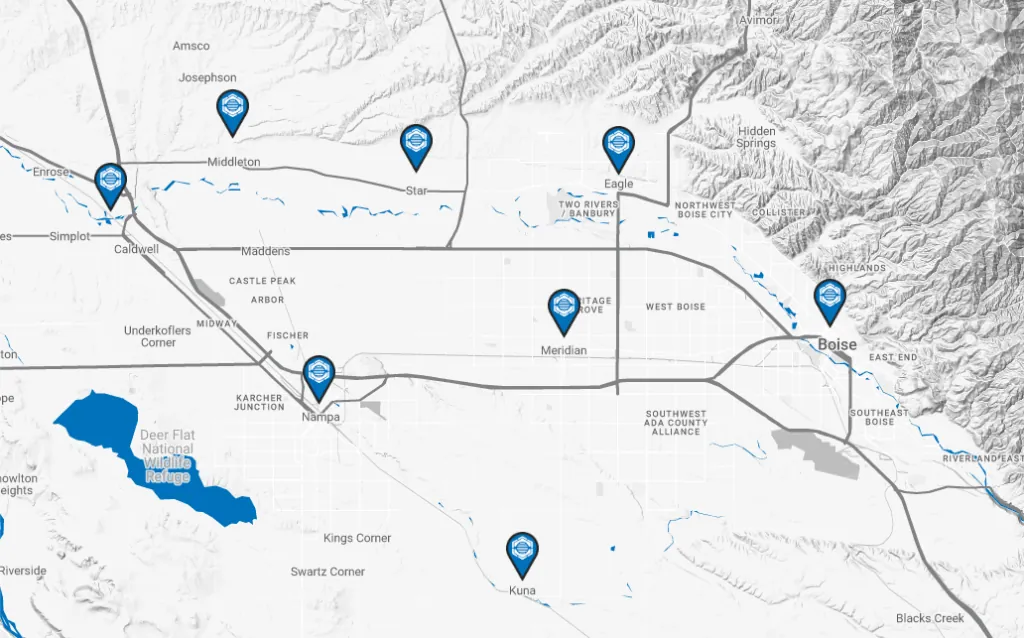
Serving All of Treasure Valley & The Valley
Our structural specialists are in Treasure Valley daily.
Treasure Valley Radon Glossary FAQ
What does pCi/L mean in plain terms?
Is a short-term test enough?
Do I need testing after mitigation?
What Treasure Valley Homeowners Say
"This glossary helped us understand our test report quickly."
"Clear explanations and no technical confusion."
"Great educational resource before deciding on mitigation."
Why Homeowners Use Idaho Drainage Solutions
Licensed & Insured
Fully licensed in Idaho (RCE-57554) with comprehensive liability coverage for your protection.
Prompt Scheduling
We respect your time. Appointments scheduled within 24-48 hours for most estimates and inspections.
Satisfaction Guaranteed
We stand behind our work with industry-leading warranties and a commitment to getting it right.
Local Expertise
We know Treasure Valley soil, water tables, and building codes better than anyone.
No-Surprise Pricing
Clear, upfront quotes with no hidden fees. The price we quote is the price you pay.
Free Consultations
Every project starts with a free on-site evaluation. No pressure, just honest advice.

0% Interest Financing Available
Flexible payment options for your drainage projects.
Related Next Steps in Treasure Valley
Need help applying this to your property?
If this radon glossary sounds familiar at your home, we can inspect the property and give you a clear scope.