
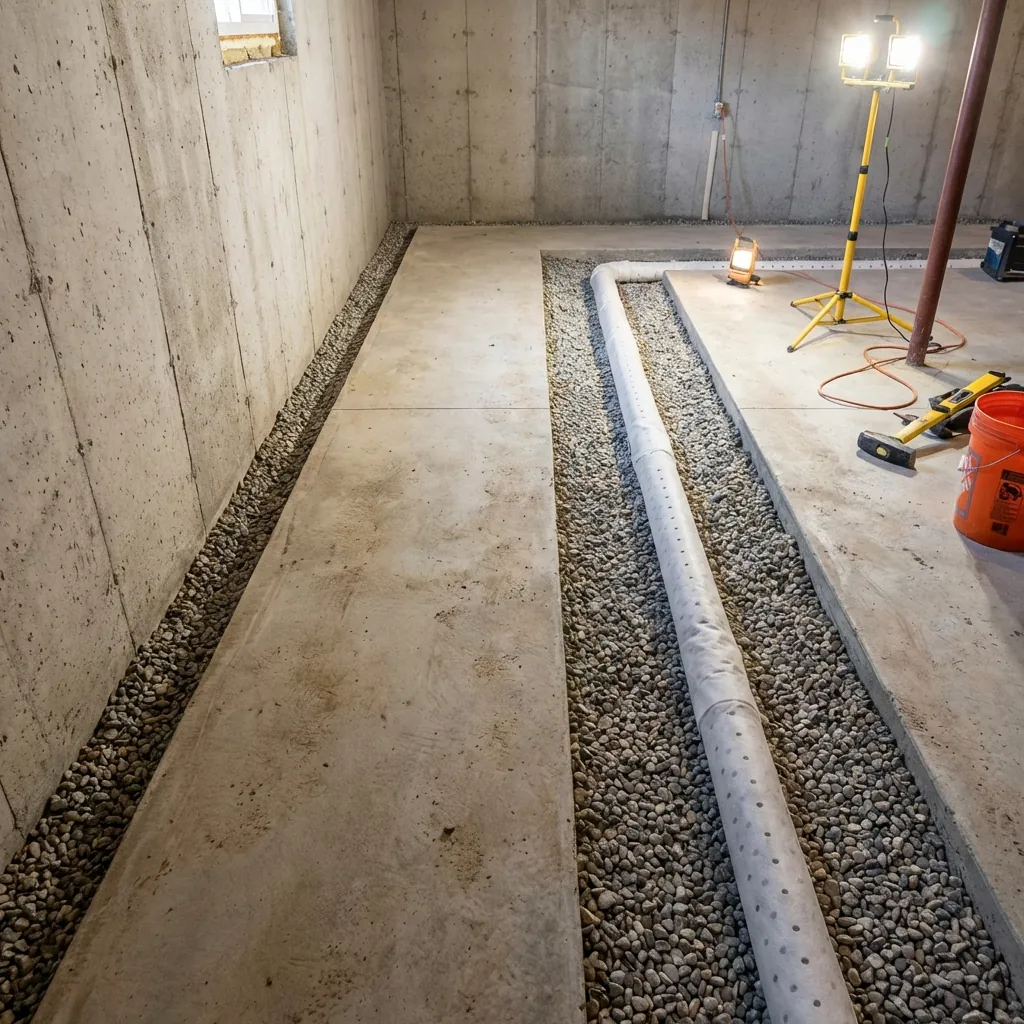
What Is Capillary Action in Soil?
Learn what capillary action in soil is and how it contributes to moisture migration, crawl space dampness, and basement seepage in Idaho homes.
How Moisture Moves Upward Through Soil Into Structures
Need a property-specific answer?
We can inspect the issue on-site, document what is actually happening, and tell you whether it needs drainage work, waterproofing, structural repair, or simple monitoring.
- Treasure Valley soil and moisture context
- Photo-documented findings and next steps
- No-pressure recommendations built for your property
Capillary action is the upward movement of water through small pores in soil and porous materials. In plain language, it helps explain how a structure can stay damp even when no obvious puddling or visible leak is present. For Boise homeowners dealing with musty basements, damp slab edges, or stubborn crawl-space humidity, capillary action is often part of the moisture story.
What capillary action means in a house context
Most people think about water problems as visible flow. They picture runoff, seepage, or standing water. Capillary action is different. It describes moisture moving upward through tiny spaces in the soil and through absorbent materials such as concrete or masonry. That movement can happen quietly and persistently, which is why a wall, slab edge, or crawl-space area may stay damp even when the surface around it appears mostly dry.
This matters because homeowners often underestimate moisture problems that do not look dramatic. If water is climbing slowly through the soil or through porous building materials, the result may be recurring dampness, elevated humidity, mineral deposits, or odor rather than active flooding. Those are still meaningful signs. They indicate the building is in prolonged contact with moisture.
Capillary action is therefore not a separate mystery issue. It is one of the key ways moisture interacts with structures once water is present in the surrounding soil environment.
Why it matters in Boise basements and crawl spaces
Boise homes often deal with mixed soil conditions, irrigation-season wetting, and seasonal changes in how moisture behaves below grade. Even when there is no dramatic storm event, the soil around a basement wall or under a crawl space can retain enough moisture to support capillary rise. That moisture can then move into concrete, masonry, and adjacent airspace over time.
This is one reason some homes feel damp even when homeowners cannot identify a leak path. A crawl space may have no standing water, but humidity remains high because moisture continues moving from the soil into the space. A basement wall may show a damp band or efflorescence even though no one has seen water running down it. A slab edge may keep affecting flooring or trim despite repeated surface cleaning. In each case, capillary action may be helping sustain the condition.
Because the process is gradual, it often overlaps with other mechanisms such as poor drainage, high exterior moisture load, or weak vapor control. That is why durable moisture correction usually addresses the whole water environment instead of only one visible symptom.
What the symptoms usually look like
The most common signs include damp lower wall sections, white mineral deposits known as efflorescence, persistent musty odor, elevated crawl-space humidity, and recurring moisture at floor level without an obvious plumbing source. Homeowners may also see materials near the base of walls deteriorate faster than expected, or they may notice that certain rooms feel humid even when there is no obvious water event happening.
Capillary moisture often becomes more confusing because it can look like several different problems at once. Some people assume it is condensation. Others assume a leak exists somewhere behind the wall. Sometimes either of those can also be true, but capillary action should be considered whenever the moisture pattern starts from below or from the lower portions of materials in contact with soil-influenced zones.
In Boise and the Treasure Valley, the presence of irrigation, dense soils, and seasonal wetting can make these symptoms more persistent than homeowners expect. That persistence is usually the clue that the issue is not superficial.
How capillary moisture differs from leaks and condensation
A direct leak usually has a definable entry point or a visible flow event. Condensation typically forms because warm, humid air meets a cooler surface. Capillary action, by contrast, is driven by moisture moving through connected pores and absorbent materials. It may not present as droplets or visible running water. Instead, it keeps materials quietly wet over time.
That distinction matters because the correction strategy changes with the mechanism. If the issue is condensation, airflow and humidity control may be central. If the issue is bulk water entry, drainage and waterproofing become primary. If capillary action is contributing significantly, then lowering soil moisture, separating materials from moisture-bearing surfaces, and using proper vapor control become essential. Many real homes have some combination of these factors, which is why diagnosis matters more than guessing.
The homeowner takeaway is simple: not all dampness is the same. The way the moisture arrived determines how it should be controlled.
How the problem is reduced effectively
The first step is reducing the amount of moisture available around the structure. That often means improving exterior drainage so soil near the basement or crawl-space perimeter does not stay wetter than necessary. Pages like drainage controls become important because you cannot stop capillary action by ignoring the moisture source that feeds it.
The second step is separating the building from that moisture wherever possible. In crawl spaces, that may involve vapor barriers and improved enclosure strategy. In basements, it may involve a combination of drainage, wall treatment, and attention to how finishes are installed against lower walls. The third step is managing indoor humidity and pressure relationships so the structure can dry more effectively instead of staying in a constantly damp equilibrium.
This is why related pages such as crawl space vapor barriers, crawl space repair, and basement waterproofing are often part of the same conversation. Capillary moisture is rarely solved by one coating or one product alone. It responds best to a coordinated moisture-control strategy.
What homeowners should pay attention to over time
If you suspect capillary action is part of your moisture problem, track where the dampness starts and whether it is concentrated low on the wall, at slab edges, or across the crawl-space floor environment. Note whether odor and humidity persist even when there has been no recent storm. Watch for recurring efflorescence or finish damage after repainting or cleaning. Those repeating signs often indicate that the structure is still in contact with excess moisture below grade.
For broader context, homeowners can review USGS water resources and the USDA Web Soil Survey to understand how soil and water behavior interact, but the most useful next step remains a site-specific assessment. When capillary action is identified correctly, the solution becomes much more logical: lower the moisture load, improve separation, and control the environment that allows dampness to persist.
Identify Your Moisture Pathways
We’ll determine whether capillary movement is a key contributor and design a targeted control strategy.
Common Failure Signs in Boise
Water Intrusion
Moisture seeping through walls, floors, or foundation during rain or irrigation season.
Structural Warning Signs
Cracks in walls, sticking doors, or uneven floors indicating foundation movement.
Ongoing Maintenance Issues
Recurring problems that never seem to go away despite multiple repair attempts.
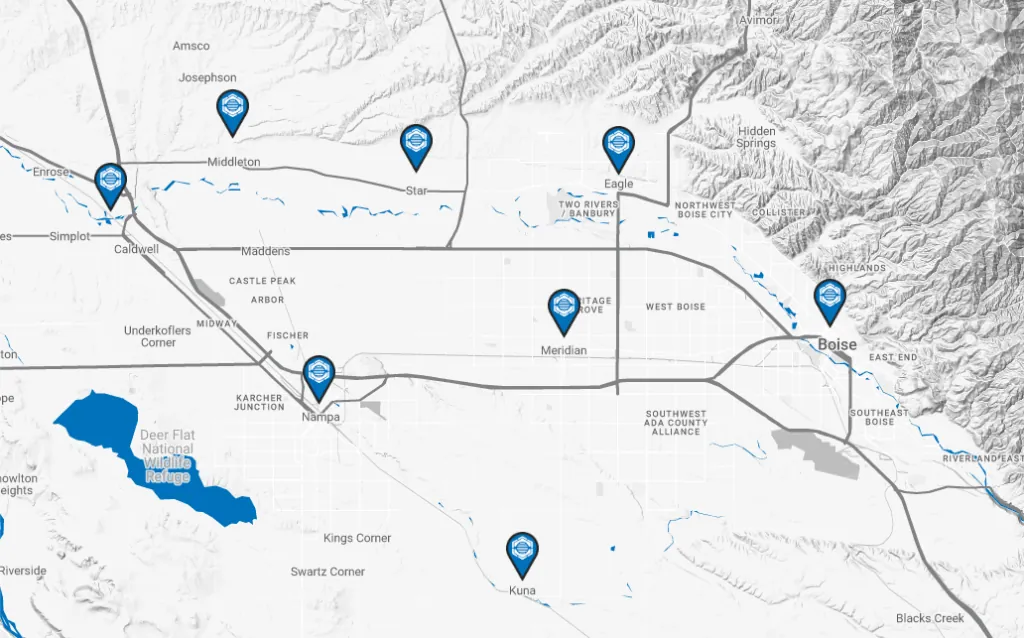
Serving All of Boise & The Valley
Our structural specialists are in Boise daily.
Boise Capillary Action FAQ
Can capillary action happen without visible standing water?
Does waterproof paint stop capillary moisture?
Is capillary action mainly a crawl space issue?
What Boise Homeowners Say
"They explained moisture migration in a way we could finally understand."
"Great diagnostic work and practical recommendations."
"Professional team that solved humidity and dampness at the root."
Why Homeowners Use Idaho Drainage Solutions
Licensed & Insured
Fully licensed in Idaho (RCE-57554) with comprehensive liability coverage for your protection.
Prompt Scheduling
We respect your time. Appointments scheduled within 24-48 hours for most estimates and inspections.
Satisfaction Guaranteed
We stand behind our work with industry-leading warranties and a commitment to getting it right.
Local Expertise
We know Treasure Valley soil, water tables, and building codes better than anyone.
No-Surprise Pricing
Clear, upfront quotes with no hidden fees. The price we quote is the price you pay.
Free Consultations
Every project starts with a free on-site evaluation. No pressure, just honest advice.

0% Interest Financing Available
Flexible payment options for your drainage projects.
Related Next Steps in Boise
Need help applying this to your property?
If this capillary action sounds familiar at your home, we can inspect the property and give you a clear scope.