
Why Do Crawl Spaces in Meridian Stay Damp?
Understand why crawl spaces in Meridian remain damp and how to fix moisture migration, poor drainage, vapor issues, and seasonal humidity loading.
Diagnose Moisture Sources Before Mold and Damage Spread
Need a property-specific answer?
We can inspect the issue on-site, document what is actually happening, and tell you whether it needs drainage work, waterproofing, structural repair, or simple monitoring.
- Treasure Valley soil and moisture context
- Photo-documented findings and next steps
- No-pressure recommendations built for your property
A damp crawl space in Meridian usually means multiple moisture pathways are working together instead of one simple leak being present. Ground moisture can be rising from below, exterior water can be loading the perimeter, humid air can be trapped under the floor, and pressure differences inside the house can pull that damp air upward into the rooms above.
Why crawl spaces stay damp longer than homeowners expect
Crawl spaces are some of the slowest parts of a house to dry once extra moisture is present. They sit near the soil, usually have limited airflow, and contain framing, insulation, ductwork, and other materials that hold moisture longer than people realize. That means a crawl space can remain damp long after a storm, a wet irrigation cycle, or a short period of exterior saturation has passed.
In Meridian and across the Treasure Valley, that slow drying is often intensified by irrigation-season loading and mixed soil conditions. A yard may look acceptable at the surface while the soil along the foundation perimeter remains wetter than it should. If the crawl space has exposed soil or limited vapor control, that below-grade moisture keeps feeding the under-floor environment whether the homeowner sees standing water or not.
This is why the musty smell from a crawl space should be taken seriously. It usually means the moisture environment has become stable in the wrong direction.
Where the moisture is usually coming from
The first common source is soil moisture vapor. Bare earth or weak vapor barriers allow water vapor to move up into the crawl-space air volume constantly. The second source is perimeter drainage failure. If runoff, irrigation, or grade hold water too close to the foundation, the crawl space begins from a wetter baseline than it should.
The third source is air movement. Crawl spaces are connected to the house through pressure relationships, not just openings you can easily see. When stack effect is active, damp crawl-space air can be drawn upward into the living space. The fourth source is condensation on ducts, plumbing lines, and cool surfaces during periods of high humidity. Once several of those pathways overlap, the crawl space can feel permanently damp even in the absence of dramatic flooding.
That is why diagnosis matters. If the homeowner chooses one product before understanding which moisture pathways are active, the repair often helps temporarily without truly fixing the environment.
How a damp crawl space affects the rest of the house
Moisture below the floor does not stay below the floor. It affects indoor humidity, contributes to musty odor, reduces insulation performance, and can make the home feel less comfortable and less efficient. Over time it can also increase the moisture content of framing materials, which is why some damp crawl spaces eventually show up as floor softness, bounce, or structural deflection.
If structural symptoms are already visible, moisture correction should be considered alongside crawl space support assessment and sagging floor repair review. The point is not that every damp crawl space has major structural damage. The point is that a long-running crawl-space moisture problem can affect far more than odor alone.
Homeowners often spend money on symptom relief upstairs before realizing the crawl space is what is driving the comfort, odor, and humidity issues throughout the house.
What usually fixes the problem for the long term
The first layer of a durable fix is controlling exterior water load. If the property is pushing water toward the crawl-space perimeter, then everything done inside the crawl space will be working against a constant outside source. Yard drainage, grade correction, and runoff control reduce how much moisture reaches the under-floor environment in the first place.
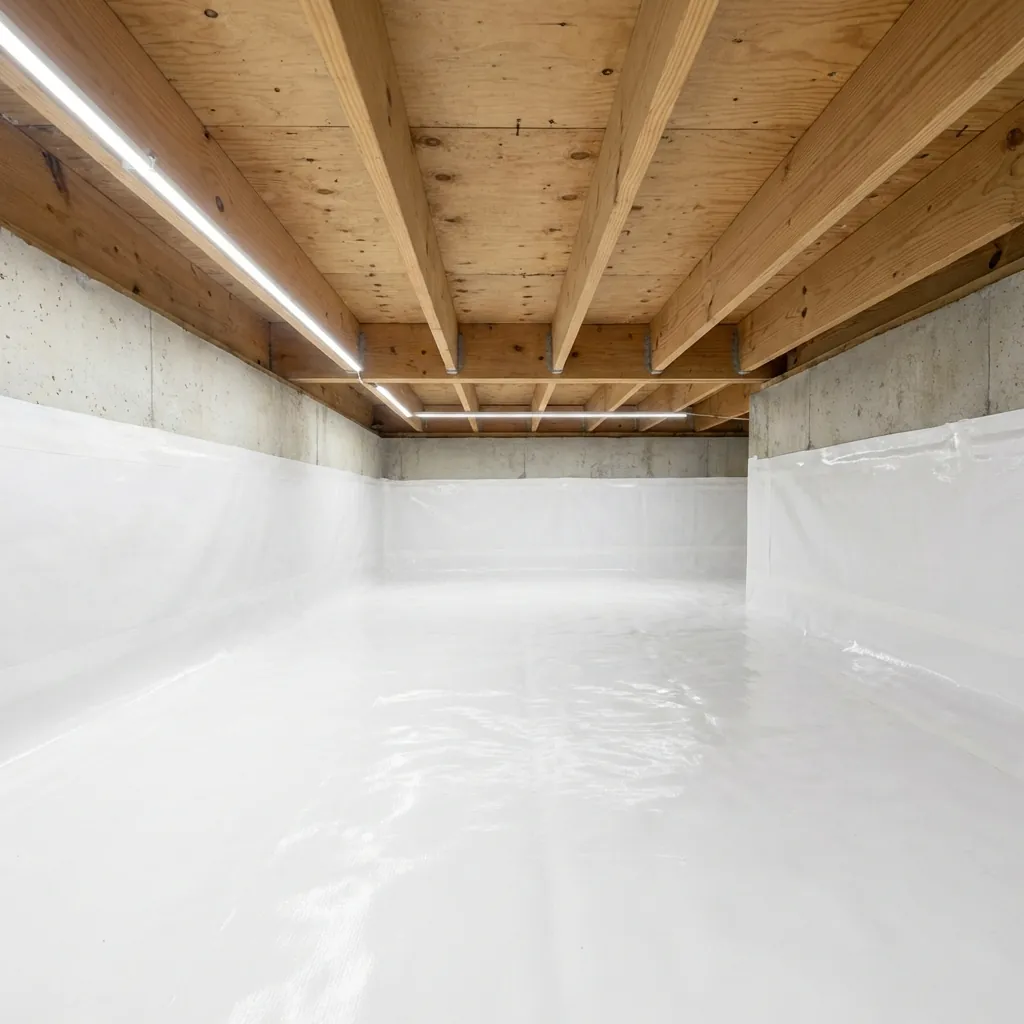
The second layer is vapor control. A continuous vapor barrier reduces moisture transfer from the soil into the crawl air. The third layer is humidity management, often with targeted dehumidification or enclosure improvements. Related services such as crawl space repair, vapor barrier systems, and crawl space dehumidifier installation are most effective when they are treated as parts of one coordinated plan rather than isolated purchases.
The final layer is monitoring. A crawl space that was damp for a long time should be checked after corrections are installed to confirm that humidity, odor, and moisture conditions are actually improving. Performance matters more than appearance.
What Meridian homeowners should watch
Pay attention to when the crawl-space smell is strongest, whether the issue worsens during irrigation season, and whether certain sides of the house stay wetter outside. Note if floors above the crawl feel damp, soft, or colder than expected. Those clues often reveal whether the primary driver is perimeter wetting, vapor movement, or a combination of both.
Reference material from NOAA, USGS, and Boise-area drainage resources can help explain the broader conditions, but the most useful next step is still a site-specific crawl-space evaluation. Once the moisture pathways are identified, the problem becomes much more straightforward to solve.
Get a Crawl Space Moisture Diagnosis
We identify each moisture source and provide a practical sequence for drainage, sealing, and humidity control.
Common Failure Signs in Meridian
Water Intrusion
Moisture seeping through walls, floors, or foundation during rain or irrigation season.
Structural Warning Signs
Cracks in walls, sticking doors, or uneven floors indicating foundation movement.
Ongoing Maintenance Issues
Recurring problems that never seem to go away despite multiple repair attempts.
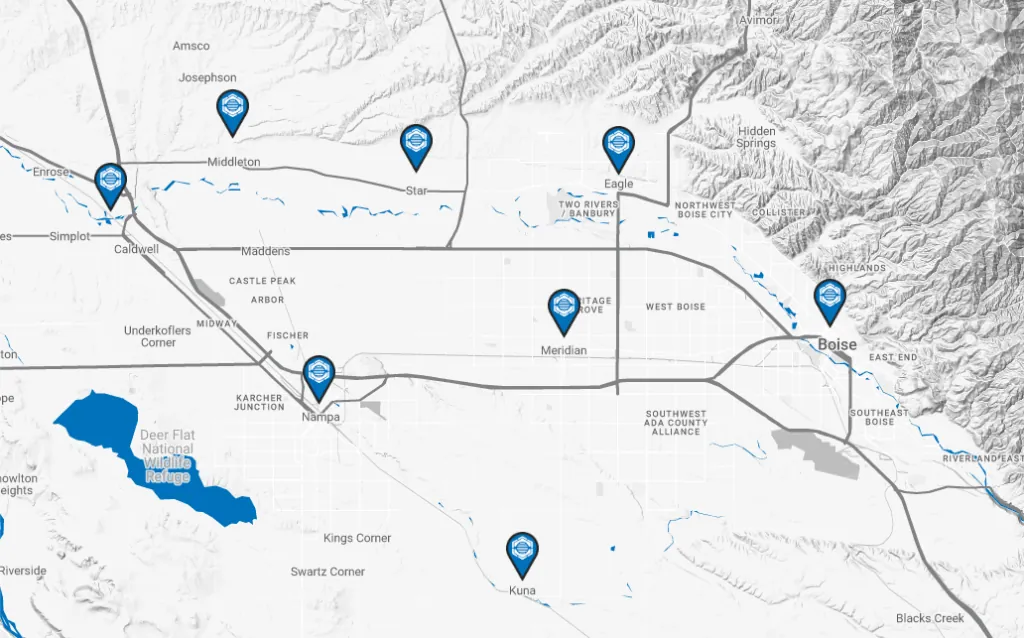
Serving All of Meridian & The Valley
Our structural specialists are in Meridian daily.
Meridian Damp Crawl Space Causes FAQ
Can I just add a dehumidifier and skip drainage?
Will vapor barrier alone stop dampness?
How quickly should damp crawl spaces be addressed?
What Meridian Homeowners Say
"They diagnosed our moisture sources correctly and made the crawl space dry and usable."
"Great crew, clear explanation, and long-term fix instead of a temporary patch."
"No more damp smell in the house after they corrected crawl space moisture."
Why Homeowners Use Idaho Drainage Solutions
Licensed & Insured
Fully licensed in Idaho (RCE-57554) with comprehensive liability coverage for your protection.
Prompt Scheduling
We respect your time. Appointments scheduled within 24-48 hours for most estimates and inspections.
Satisfaction Guaranteed
We stand behind our work with industry-leading warranties and a commitment to getting it right.
Local Expertise
We know Treasure Valley soil, water tables, and building codes better than anyone.
No-Surprise Pricing
Clear, upfront quotes with no hidden fees. The price we quote is the price you pay.
Free Consultations
Every project starts with a free on-site evaluation. No pressure, just honest advice.

0% Interest Financing Available
Flexible payment options for your drainage projects.
Related Next Steps in Meridian
Need help applying this to your property?
If this damp crawl space causes sounds familiar at your home, we can inspect the property and give you a clear scope.