
Why Snowmelt Causes Basement Leaks in Boise
Learn why snowmelt causes basement leaks in Boise and how to prevent spring seepage with drainage, waterproofing, and pump system planning.
Seasonal Hydrology Explained for Boise Basements
Need a property-specific answer?
We can inspect the issue on-site, document what is actually happening, and tell you whether it needs drainage work, waterproofing, structural repair, or simple monitoring.
- Treasure Valley soil and moisture context
- Photo-documented findings and next steps
- No-pressure recommendations built for your property
Snowmelt basement leaks are common in Boise because snowmelt changes how water loads the house. As the ground thaws, meltwater can move laterally, saturate soils for longer than a typical rain event, and increase hydrostatic pressure around below-grade walls and floors. If the drainage and pressure-relief system is weak, the basement becomes the place where that seasonal stress shows up.
Why snowmelt behaves differently than rain
Homeowners often think of water events as all working the same way, but snowmelt is its own category. Rain usually arrives and leaves over a shorter time frame. Snowmelt can be slower, more sustained, and more complicated because frozen or partially frozen surface layers may limit downward infiltration and push water sideways through the soil. That means the basement can be affected even when there is not a dramatic puddle sitting right next to the house.
Snowmelt also tends to keep the soil wet for much longer. Instead of one quick water load, the basement wall may be dealing with elevated saturation and pressure for days or weeks. If spring rain overlaps with the thaw period, the system can be stressed even further. That is why some Boise basements leak only during late winter or early spring. The issue is not random. It is a predictable seasonal loading pattern.
What looks like a once-a-year leak is often evidence that the house has one season each year when its below-grade drainage weaknesses are fully exposed.
Why Boise basements are vulnerable during thaw
Treasure Valley homes experience a mix of freeze-thaw conditions, roof snow accumulation, runoff concentration, and soils that may not release water quickly once saturated. If the lot has short downspout discharge, negative grade, low window wells, or a side yard that holds water, thaw season amplifies those weaknesses. What was a tolerable moisture condition in summer can become a true pressure condition during snowmelt.
Homes with existing drainage limitations are especially vulnerable. A basement that only feels slightly damp the rest of the year may begin leaking during snowmelt because the wall and floor system are finally experiencing sustained outside pressure. That is why the wall-floor joint, cracks, lower-level penetrations, and window well areas are such common leak points during thaw season. The water is following the path of least resistance once pressure has built.
In that sense, the basement leak is not the original problem. It is the most visible symptom of a property that is carrying too much water too close to the structure during thaw periods.
Where snowmelt water usually enters
The cove joint where the wall meets the floor is a classic leak location because it is the seam between two structural elements and a common pressure-relief path. Foundation cracks are another frequent entry point, especially when outside saturation increases lateral stress on the wall. Window wells often leak when they do not drain effectively or when roof melt and surface runoff add more water than the well can shed.
Penetrations through the slab or foundation can also admit water if the pressure around them is high enough. What matters most is not just the specific hole where the water appears, but the reason that point became vulnerable. If the same area leaks every thaw season, that consistency is useful. It means the pathway is predictable, and predictable pathways can usually be engineered out of the property with the right correction.
Homeowners should therefore avoid treating the visible entry point as the whole problem. The entry point is the last step in a larger water-path story.
What usually prevents repeat spring leaks
The first priority is reducing exterior water load. That may involve improved downspout routing, better yard drainage correction, and grade improvements that keep meltwater from lingering near the foundation. If the house stops receiving so much thaw-season water at the perimeter, the pressure on the basement system drops immediately.
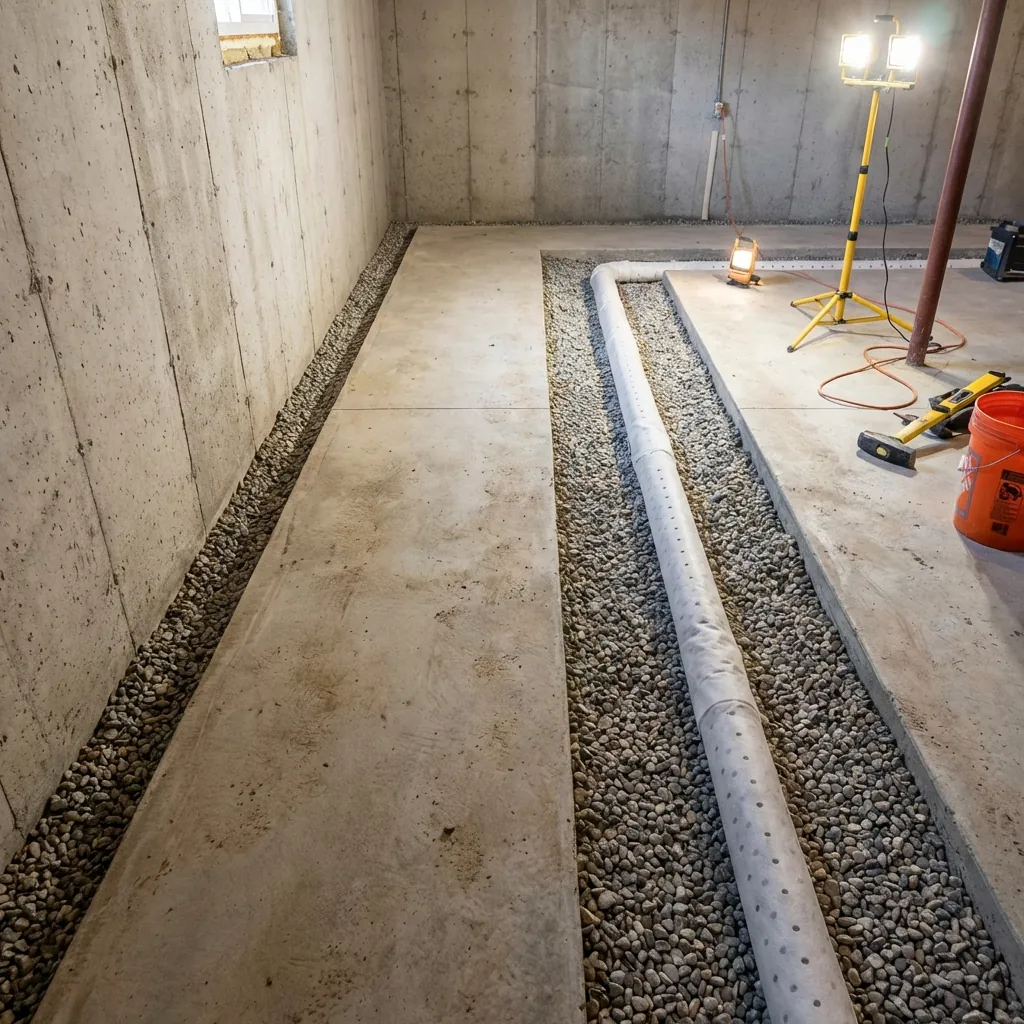
The second priority is pressure relief. Many basements need systems such as interior drain tile and dependable sump pump design so water can be collected and discharged before it enters the living space. The third priority is wall protection. In some homes, basement waterproofing is part of the complete strategy, but it works best when paired with the drainage and discharge improvements that actually reduce the water load.
The most durable plans therefore address water path, pressure path, and discharge path together. That is why crack sealing alone rarely ends recurring snowmelt leakage.
When homeowners should act
The best time to evaluate snowmelt leak risk is before late-winter thaw begins, not after the basement has already taken on water again. If the home has leaked once during snowmelt, homeowners should assume the same conditions are likely to recur until the water path is corrected. Waiting for a second or third confirmation event usually just means more preventable interior damage and more cleanup.
It also helps to document the pattern. Note where the water appears, how long the ground around the house stays wet during thaw, and whether the problem coincides with roof melt, side-yard runoff, or specific low-grade areas. Reference tools from NOAA and USGS can provide broader climate and hydrology context, but the most useful answer still comes from observing how your own lot behaves and then designing for that behavior.
Once Boise homeowners understand that snowmelt leakage is a seasonal pressure problem rather than bad luck, the repair path becomes far more logical and far more durable.
Schedule a Snowmelt Leak Prevention Inspection
We’ll map likely pressure points and provide a practical plan before the next runoff cycle.
Common Failure Signs in Boise
Water Intrusion
Moisture seeping through walls, floors, or foundation during rain or irrigation season.
Structural Warning Signs
Cracks in walls, sticking doors, or uneven floors indicating foundation movement.
Ongoing Maintenance Issues
Recurring problems that never seem to go away despite multiple repair attempts.
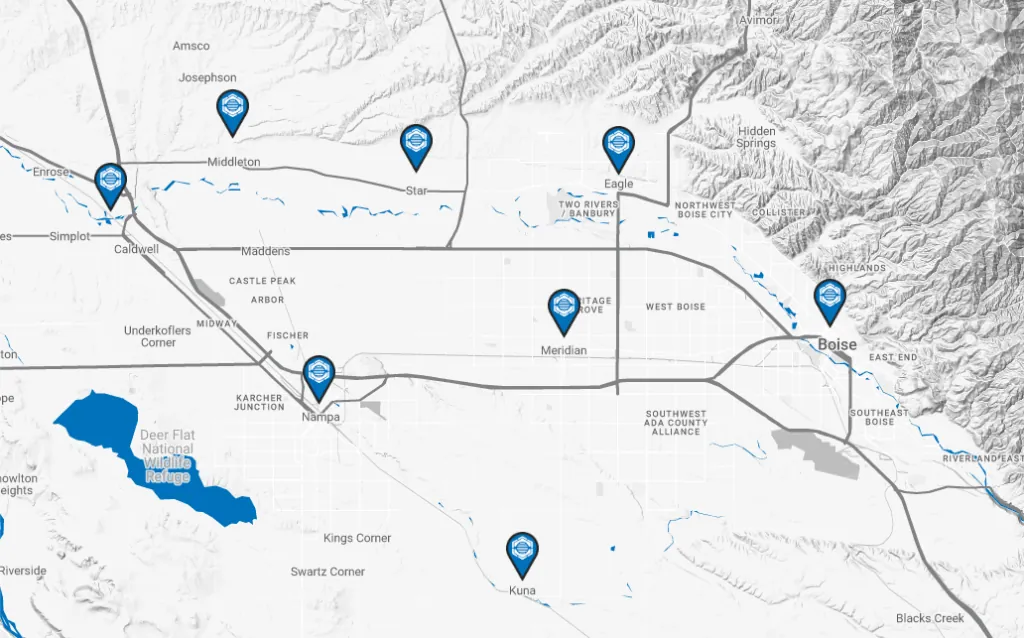
Serving All of Boise & The Valley
Our structural specialists are in Boise daily.
Boise Snowmelt Basement Leaks FAQ
My basement only leaks during snowmelt. Is that normal?
Will sealing cracks alone stop snowmelt leaks?
When should I service my sump pump for spring?
What Boise Homeowners Say
"Our annual snowmelt leaks stopped after they redesigned drainage and pump routing."
"Fast diagnosis and a complete fix, not just temporary sealing."
"Great technical team. They solved the spring seepage problem permanently."
Why Homeowners Use Idaho Drainage Solutions
Licensed & Insured
Fully licensed in Idaho (RCE-57554) with comprehensive liability coverage for your protection.
Prompt Scheduling
We respect your time. Appointments scheduled within 24-48 hours for most estimates and inspections.
Satisfaction Guaranteed
We stand behind our work with industry-leading warranties and a commitment to getting it right.
Local Expertise
We know Treasure Valley soil, water tables, and building codes better than anyone.
No-Surprise Pricing
Clear, upfront quotes with no hidden fees. The price we quote is the price you pay.
Free Consultations
Every project starts with a free on-site evaluation. No pressure, just honest advice.

0% Interest Financing Available
Flexible payment options for your drainage projects.
Related Next Steps in Boise
Need help applying this to your property?
If this snowmelt basement leaks sounds familiar at your home, we can inspect the property and give you a clear scope.