
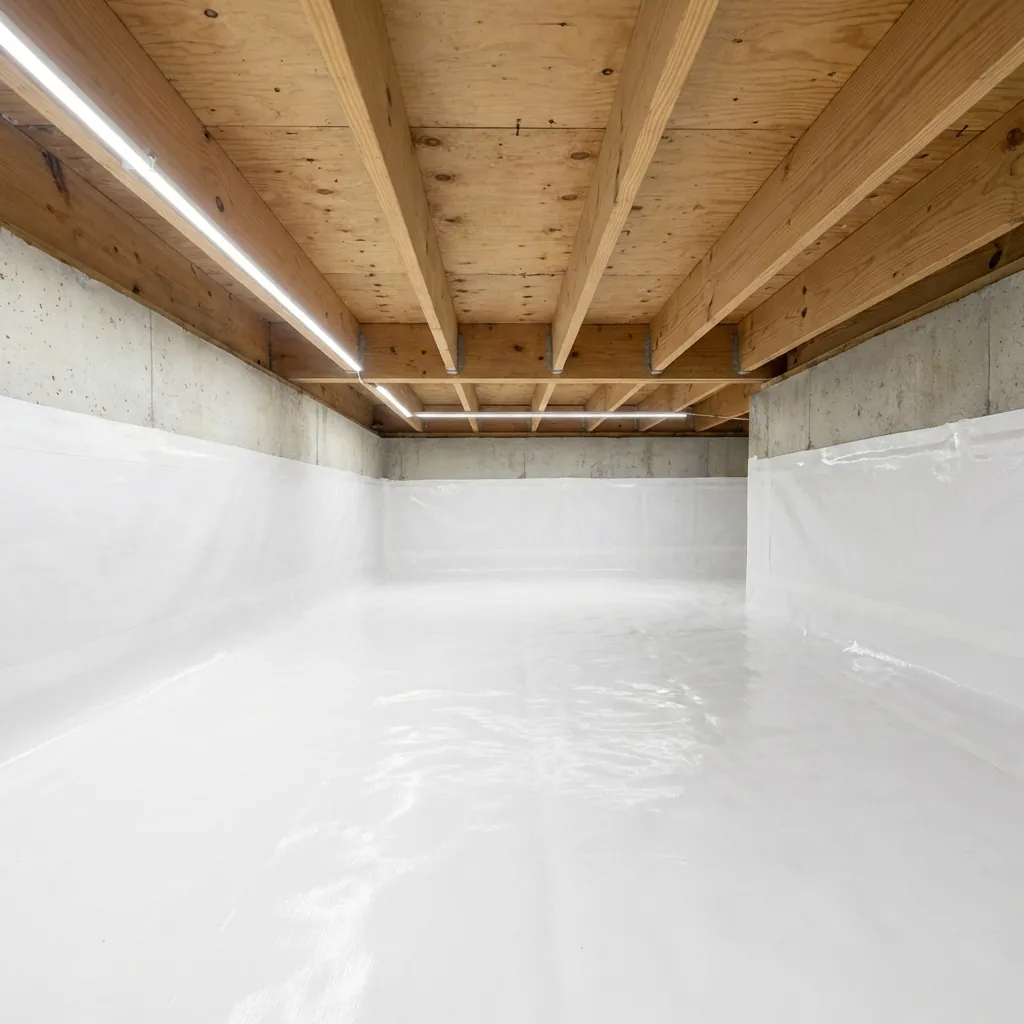
Crawl Space Encapsulation, Crawlspace Waterproofing, and Drainage in Boise
Crawl space encapsulation in Boise with crawlspace drainage, vapor barriers, dehumidification, and waterproofing. Stop musty odor, damp insulation, and moisture damage below the home.
Control Water, Humidity, and Airflow Below the Home
If you are comparing crawl space encapsulation in Boise, crawlspace drainage in Boise, or looking for crawlspace waterproofing near you, the main issue is usually uncontrolled moisture below the home. Crawl space encapsulation is one of the highest-impact upgrades for moisture control, air quality, and long-term structural protection in Treasure Valley homes. When crawl spaces stay damp, that moisture does not stay below the floor. It migrates into framing, insulation, and the living environment above. A correct system solves the source condition, not just the symptoms.
Why Crawl Space Conditions Affect the Entire Home
Homes naturally move air from lower zones to upper zones. That means crawl space air, including humidity and contaminants, can travel upward into conditioned areas through penetrations, framing cavities, and mechanical pathways. If the crawl space is wet or mold-prone, indoor comfort and air quality usually degrade over time.
This is why homeowners often notice musty odor, elevated indoor humidity, uneven temperatures, or cold floors long before they ever look under the home. The crawl space is not isolated from the house. It is part of the building system.
Treasure Valley Moisture Patterns That Drive Failure
Crawl spaces in Boise, Meridian, Nampa, and surrounding communities experience recurring moisture stress from irrigation cycles, seasonal runoff, and soil vapor migration. Traditional vented designs frequently underperform in these conditions. In summer, warm outside air can condense on cooler crawl-space surfaces. In winter, cold airflow can chill floor systems and raise freeze risk at vulnerable plumbing segments.
When you add occasional seepage or high subgrade moisture, vented crawl spaces often oscillate between damp and cold states that are hard to control. Encapsulation changes that dynamic by turning an unstable environment into a managed one.
What We See Most Often in Boise Crawl Spaces
Some homes have obvious standing water. Others have more subtle but still serious problems like darkened framing, fallen insulation, sweating ducts, mold-prone corners, or floors that feel cold and soft long before homeowners ever see open water. We also find many crawl spaces where old vapor barrier material is still present but poorly sealed, torn, or doing almost nothing to control humidity.
Those mixed conditions are exactly why crawl space work needs an inspection-first approach. A damp crawl space can be a drainage issue, an airflow issue, a vapor issue, or all three at once. The right scope depends on which part of the system is actually failing.
How Our Encapsulation Scope Is Built
We begin with inspection and source diagnosis, not plastic installation. If active seepage or standing water is present, water control comes first. That usually means correcting drainage pathways and pump performance before sealing the space. Encapsulation over active water entry is a short-lived fix.
After moisture entry is controlled, we install full-coverage vapor control with durable reinforced membrane, detailed wall and seam sealing, vent closure where appropriate, and humidity management through correctly sized dehumidification. The objective is stable, measurable conditions rather than temporary improvement.
If your crawl space requires pre-encapsulation water control, we coordinate with sump pump installation and crawl space drainage and repair planning as part of one integrated plan.
Encapsulation vs. Vapor Barrier Only
A basic ground cover can reduce some vapor movement, but it is not the same as full crawl space encapsulation. True encapsulation addresses seams, walls, piers, vents, humidity control, and the drainage conditions that made the space damp in the first place.
That distinction matters in Boise because many crawl spaces are exposed to irrigation-season moisture, seasonal condensation, and occasional bulk-water entry. If the system does not address those conditions, the liner becomes a cosmetic layer instead of a durable moisture-control system.
What Homeowners Usually Notice After Correction
Most homeowners report better comfort first. Floors feel less cold in winter, musty odor drops, and interior humidity feels more stable. Over time, many homes also show reduced HVAC strain because ducts and floor assemblies are no longer exposed to extreme crawl-space conditions.
From a building-science perspective, the biggest benefit is consistency. Wood framing, insulation, and subfloor materials perform better when moisture swings are controlled. That lowers long-term risk of rot, microbial growth, and secondary structural repair.
What the Encapsulation Process Looks Like
Most projects begin with cleanup, moisture-source correction, and any required drainage or sump work before the liner ever goes down. From there we install reinforced vapor control, detail seams and penetrations, address vent strategy, and set up humidity control so the space can be measured and maintained after the project is complete.
That sequencing matters because the finished result is only as good as the prep below it. Encapsulation done in the wrong order traps the problem. Encapsulation done in the right order gives homeowners a crawl space they can actually monitor, maintain, and trust.
Cost, Scope, and Maintenance Expectations
Encapsulation pricing is based on crawl size, prep and cleanup requirements, drainage needs, barrier detail complexity, insulation strategy, and dehumidifier integration. We provide scope-based proposals so homeowners can compare basic moisture control against full-system correction and choose the level of protection that fits their goals.
Maintenance is simple but important. We recommend periodic humidity checks, filter service for dehumidification components, and visual inspection after extreme weather periods. This keeps performance stable and helps catch small issues early.
Related service pages: crawl space vapor barrier, crawl space dehumidifier installation, and crawl space mold prevention.
What a Boise Crawl Space Estimate Should Include
A useful estimate should explain whether the problem is vapor, standing water, humidity, structural sag, mold risk, or a combination of those issues. It should also clarify whether drainage correction or sump work has to happen before encapsulation so the finished system is not covering an active failure.
We document liner scope, sealing details, dehumidification strategy, maintenance expectations, and any structural or drainage items that should be phased with the encapsulation work. That helps homeowners compare estimates on actual system coverage instead of comparing liner thickness alone.
How Encapsulation Supports Resale and Long-Term Maintenance
A clean, dry crawl space is easier to inspect, easier to service, and easier to explain during a sale. Buyers, inspectors, and contractors can see whether the area is being actively managed instead of guessing at hidden moisture conditions under torn plastic and fallen insulation. That clarity has practical value even before you think about comfort or energy use.
It also makes seasonal maintenance simpler. When the crawl space is sealed and organized, homeowners can spot new issues faster, verify humidity readings, and address drainage or mechanical concerns before they turn into rot, mold, or floor-system repairs. Encapsulation is not just a one-time install. It is a way to keep the under-home environment manageable year after year.
Why Humidity Monitoring Matters After Installation
Encapsulation works best when homeowners can verify that the space is staying inside a healthy humidity range instead of guessing based on odor alone. We recommend simple ongoing checks because a changing reading can reveal a discharge issue, dehumidifier service need, or new moisture source before visible damage returns.
Technical References for Moisture and Mold Risk
For homeowners who want deeper context on health and moisture science, these resources are useful: EPA mold guidance, NOAA climate resources, and USGS water resources data.
Schedule a Crawl Space Encapsulation Estimate
Get a property-specific plan that addresses drainage, vapor, airflow, and humidity as one system.
Common Failure Signs in Boise
Cold Floors
Floors above the crawl space feel freezing in winter.
Rising Odors
Unpleasant smells entering the living space from below.
High Bills
HVAC working overtime due to unconditioned air leakage.
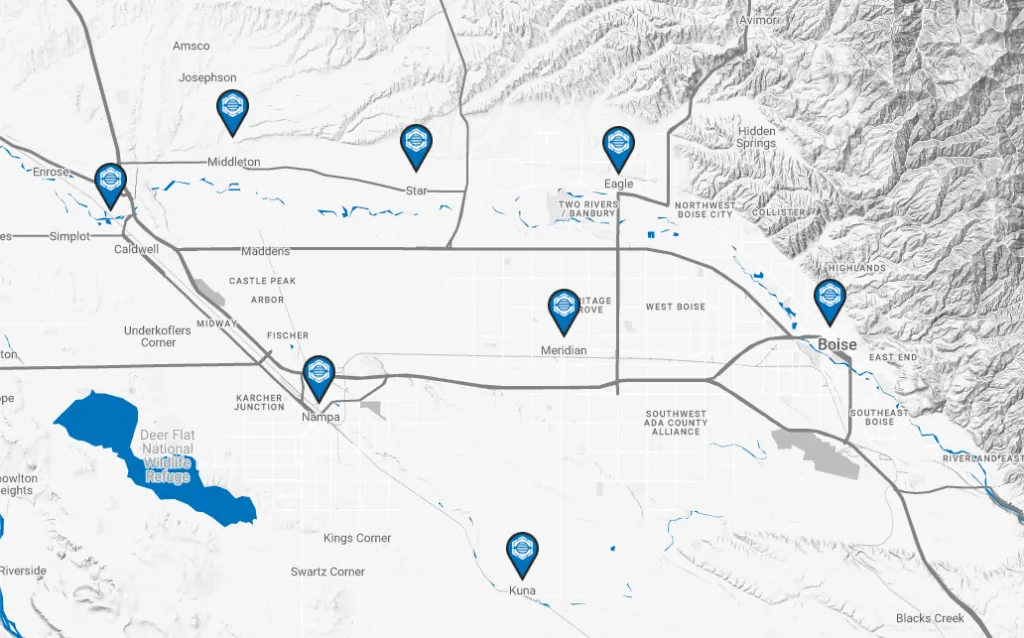
Serving All of Boise & The Valley
Our structural specialists are in Boise daily.
Boise Crawl Space FAQ
Do I need a sump pump with encapsulation?
Is crawlspace waterproofing the same as encapsulation?
Will this help my allergies?
How long does encapsulation last?
Do I need crawl space drainage systems if I want encapsulation?
What Boise Homeowners Say
"They came to work in my crawl space due to a seepage down there. Reyes was great, he was willing to answer my concerns and kindly explains to me. The work looks clean and nice."
"Idaho Drainage Solutions was fantastic to work with. They communicated very well, the crew arrived when promised, and they did a great job installing our new vapor barrier."
"Inspected our crawl space and provided several solutions to address high humidity. Talked with us for an hour answering our questions and concerns. Very satisfied with the service."
Why Choose Idaho Drainage Solutions?
Licensed & Insured
Fully licensed in Idaho (RCE-57554) with comprehensive liability coverage for your protection.
Prompt Scheduling
We respect your time. Appointments scheduled within 24-48 hours for most estimates and inspections.
Satisfaction Guaranteed
We stand behind our work with industry-leading warranties and a commitment to getting it right.
Local Expertise
We know Treasure Valley soil, water tables, and building codes better than anyone.
No-Surprise Pricing
Clear, upfront quotes with no hidden fees. The price we quote is the price you pay.
Free Consultations
Every project starts with a free on-site evaluation. No pressure, just honest advice.

0% Interest Financing Available
Flexible payment options for your drainage projects.
Related Services in Boise
PROTECT YOUR HOME
Don't let a small issue turn into a structural failure. Schedule your free estimate now.